The Growing Concern Around Grade Inflation in Ontario
For years, Ontario students were told that good grades were the key to university acceptance. Study hard, get high marks, and the opportunities would follow. While grades still matter tremendously, the reality of university admissions has changed dramatically. Today, students are competing in an environment where grade inflation has become increasingly common, making it harder for universities to distinguish between applicants based on averages alone.
Browse Reddit’s r/OntarioGrade12s and a pattern emerges almost immediately. Student after student shares the same story: a 95 or 96 average, strong grades across the board, and a rejection letter from their top choice program. The posts are filled with genuine shock from students who did everything they were told to do and still did not get in. These are not outliers. They reflect a systemic shift in how competitive Ontario university admissions has become, and how little a high average alone can guarantee.
More students than ever are graduating with averages in the 90s, and universities have started looking beyond report cards when evaluating applicants for competitive programs. A high average is no longer enough on its own. Students need to set themselves apart through leadership, extracurricular involvement, personal achievements, and strong supplementary applications.
Ontario Does Not Use Standardized Testing Like the United States
One of the biggest differences between Ontario and the United States is the lack of standardized testing. In the United States, many universities use exams such as the SAT or ACT to compare students from different schools using a common benchmark. These tests are designed to help universities assess academic readiness regardless of where a student attended school.
Ontario does not have an equivalent system for university admissions. While EQAO testing exists in elementary and secondary school, those results are not typically used by universities when evaluating applicants. As a result, universities rely heavily on report card grades provided by individual schools.
This is where Grade Inflation in Ontario creates a serious structural problem. Grading standards are not consistent across schools. Some schools are known for rigorous marking while others may award significantly higher grades for the same level of performance. In some cases, private schools and certain online programs have been criticized for inflated marks that may not reflect true academic mastery.
The Role of Paid Online Credit Courses
Adding further complexity to the admissions landscape is the growing number of students who turn to paid online credit providers such as Ontario Virtual School (OVS) and Virtual High School (VHS) to boost their averages. These platforms offer Ontario curriculum courses that count toward a student’s transcript, and many families pay out of pocket specifically to replace or supplement lower grades earned in traditional classroom settings.
Grade Inflation in Ontario has made this practice increasingly common and increasingly scrutinized. While there is nothing inherently wrong with online learning, strategically retaking courses through these providers to inflate a transcript average is something universities are paying close attention to. A 98 earned through a paid online provider may not reflect the same rigor or peer comparison as the same course completed in a competitive in person classroom. A polished transcript that has been carefully managed through selective online course upgrades may raise questions rather than strengthen an application if it is not supported by genuine academic ability and meaningful experiences.
Why Universities Are Looking Beyond Grades
Universities are well aware of the Grade Inflation in Ontario problem. Highly competitive programs across Ontario have seen admission averages climb year after year. Programs in engineering, health sciences, business, and computer science often require averages in the mid to high 90s just to remain competitive, yet universities also recognize that not every 95 percent average represents the same level of preparation.
One of the clearest examples of universities actively correcting for this problem is the Engineering Adjustment Factor used by the University of Waterloo. Rather than accepting a student’s reported average at face value, Waterloo applies an internal adjustment that accounts for the historical performance of students from a given high school once they arrive on campus. If graduates from a particular school consistently underperform relative to their reported averages, that school’s grades are weighted downward in the admissions process. The opposite is also true for schools known for rigorous marking. This means two students with identical averages can be evaluated very differently depending on where those grades came from. It is one of the most transparent acknowledgments by any Ontario university that grade inflation is a real and measurable problem that requires a direct response.
This is exactly why supplementary applications have become so important. Programs at schools such as the University of Waterloo, University of Toronto, McMaster University, Western University, Queen’s University, and York University increasingly evaluate students beyond academics alone. They want to understand who the student is outside the classroom.
The Importance of the Waterloo AIF and Other Supplementary Applications
One of the most well known examples is the Admission Information Form, commonly referred to as the AIF, used by the University of Waterloo. The AIF allows students to discuss extracurricular activities, employment, volunteer work, leadership experiences, contests, and personal achievements. For many programs, especially engineering and mathematics, the AIF can significantly impact admissions decisions.
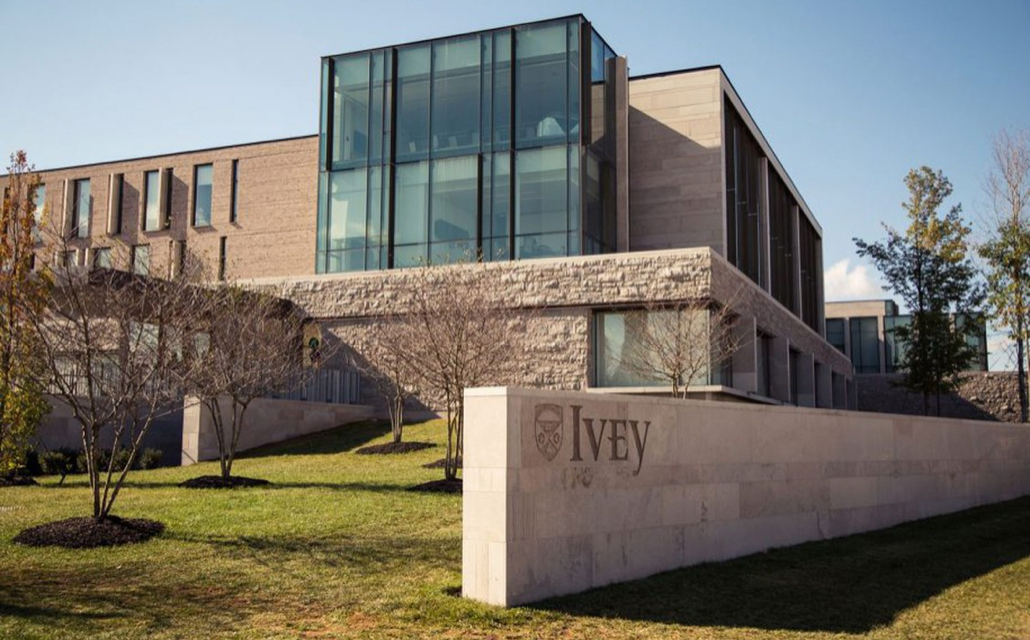
Many universities now use similar systems. The University of Toronto uses online student profiles, written responses, and video interviews for programs such as engineering and Rotman Commerce. Western University’s Ivey School of Business evaluates leadership experiences and extracurricular involvement through the Ivey AEO application. Queen’s Commerce uses supplementary essays and video interviews, while McMaster Health Sciences includes written supplementary applications focused on critical thinking and communication skills. York University’s Schulich School of Business also assesses leadership profiles, interviews, and personal achievements.
A student with a 94 average who demonstrates initiative, leadership, and passion through meaningful experiences may stand out more than a student with a 97 average and little involvement outside academics. Universities are increasingly looking for students who show resilience, communication skills, creativity, and genuine engagement with their interests. Business programs may assess leadership and teamwork. Engineering programs may evaluate problem solving and innovation. Health science programs often value empathy, communication, and community involvement.
How Students Can Overcome Grade Inflation in Ontario
This shift means students need to think strategically long before Grade 12.
Building a strong profile cannot happen overnight. Universities can often tell when activities are added simply to impress admissions officers. Instead, students should focus on developing authentic interests and long term commitments. Depth matters more than quantity.
A student who spends several years mentoring younger students, leading a club, working part time, competing in academic contests, or pursuing a personal project develops experiences that are easy to discuss naturally in supplementary applications and interviews. Students should focus on building a well rounded application rather than relying on marks alone.
Academic Contests and Independent Achievement
Academic contests are another excellent way for students to distinguish themselves. Mathematics contests from the University of Waterloo, science competitions, debate tournaments, coding competitions, and writing contests can all demonstrate initiative and academic ability beyond school grades alone. Participation in these activities shows universities that students are willing to challenge themselves independently.
Volunteer work can also become highly meaningful when students genuinely contribute to their communities. Universities are not simply counting volunteer hours. They are looking for students who show commitment, impact, and personal growth.
Part time jobs are another underrated factor. Employment demonstrates responsibility, time management, and maturity. A student balancing academics with work responsibilities often develops practical skills that universities respect.
Communication Skills Matter More Than Ever
Many supplementary applications now include recorded interviews or timed written responses. Students who can articulate their thoughts clearly and confidently have a significant advantage.
This is one reason tutoring and mentorship programs should extend beyond simply improving grades. Students benefit tremendously from opportunities to build critical thinking, presentation skills, interview confidence, and independent learning habits. These skills help not only with admissions but also with long term success in university and future careers.
Looking Beyond Inflated Grades
Parents should also understand that chasing inflated grades alone may not always serve students well in the long run. Students who are pushed toward easy marks without developing genuine understanding can struggle once they enter demanding university programs.
The admissions landscape in Ontario is evolving. While grades remain important, they are no longer the only factor that matters. Students who combine strong academics with leadership, initiative, communication skills, and authentic extracurricular involvement are often the ones who stand out most. Grade Inflation in Ontario is reshaping how universities assess applicants, and in today’s competitive environment students need to focus not only on achieving high marks but also on becoming well rounded individuals with meaningful experiences and personal growth. The students who will succeed are those who understand that their story, character, and experiences matter now more than ever.
York Region Tutoring: We Are Here to Help
Navigating the Ontario admissions landscape can feel overwhelming for both students and parents. If you have questions or concerns about your child’s academic journey, whether they are in elementary school, working through the pressures of high school, or preparing for university level coursework, our team at York Region Tutoring in Markham, Ontario is here to help. We offer in person tutoring at our tutoring center in Markham, Ontario and online tutoring for Ontario students tailored to where your student is right now and where they want to go. Reach out to us anytime and we would be happy to have a conversation about how we can support your family.